Cleveland gets underestimated. People hear “rust belt” and picture something faded, but the city that actually shows up on your moving day is affordable, full of character, and easier to navigate than most major metros. If you are researching a move to Cleveland, Ohio, here is a straight look at what life here is actually like, neighborhood by neighborhood.
What Makes Cleveland Worth Considering
Cleveland sits on the southern shore of Lake Erie at the northern edge of Northeast Ohio. It is a real city with real infrastructure: a world-renowned medical corridor, professional sports teams, a nationally recognized arts scene, and a food culture that has grown steadily over the past decade.
It is also one of the more practical cities to live in. The cost of housing is well below the national average. Commute times are manageable. And unlike a lot of places that are perpetually “up and coming,” Cleveland has been here the whole time. The question is not whether it is a good city. The question is whether it fits what you are looking for.
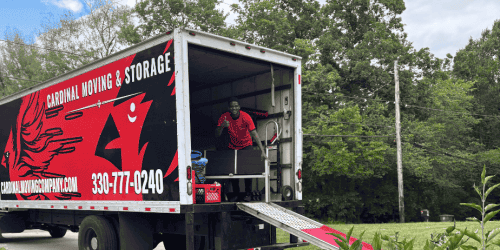
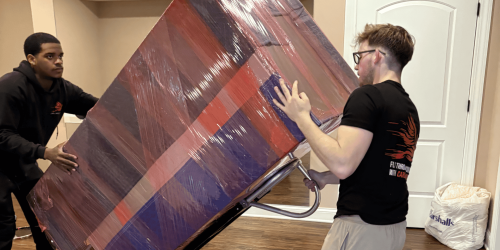
Cardinal Moving has helped many families and individuals make the transition into the Cleveland metro. Our team serves the city and the surrounding communities, and we know how move day actually goes here. If you are ready to explore, our Cleveland movers page has the details.
Read our 266 five-star Google reviews or explore our Cleveland moving services.
Cost of Living in Cleveland
Housing is the headline number. The median home price in Cleveland proper sits around $225,000, which is significantly below the national median. Renters can expect to pay roughly $1,100 per month for a one-bedroom in most walkable neighborhoods. Compared to Columbus or Cincinnati, Cleveland tends to come in at or slightly below those markets on housing costs.
Groceries, utilities, and transportation costs track close to the Ohio average. Property taxes in Cuyahoga County vary by municipality, so if you are buying, that is worth running down specifically before you commit. Some of the first-ring suburbs carry higher rates than the city itself.
Overall, Cleveland gives you access to big-city institutions at a cost that does not require a second income just to cover rent. For families coming from coastal markets or even Columbus, the difference is noticeable from the first month.

Cleveland Neighborhoods at a Glance
Cleveland’s neighborhoods each have a different character. Picking the right area has a lot to do with how you like to live, where you work, and what you want within walking distance. Here are six worth knowing before you start your search.
Ohio City
Ohio City is the neighborhood most people mention first. It sits just west of downtown across the Cuyahoga River and is built around West Side Market, the largest and oldest public market in Cleveland, open since 1912. Walkability is high. The restaurant and bar scene is dense. Housing stock ranges from renovated Victorian row houses to newer builds mixed in among the historic blocks.
Ohio City draws a mix of young professionals, families, and long-term residents who grew up in the area. It is one of the more competitive rental and buying markets in the city.
Tremont
Tremont sits south of Ohio City and has a quieter, tighter feel. It is known for its arts community, independent galleries, and some of the better sit-down dining in the city. Lincoln Park anchors the neighborhood and gives it a genuine sense of place. Families and young professionals both land here, and the mix tends to stay stable.
Housing in Tremont leans toward older stock, including two-family homes and small apartment buildings. It rewards buyers who are willing to invest in a property.
Lakewood
Technically a separate city bordering Cleveland to the west, Lakewood functions like a neighborhood for most people who live there. It has a distinct downtown corridor along Detroit Avenue, strong walkability, solid public schools, and a well-maintained local identity. Many residents who work in Cleveland proper choose to live here.
Lakewood also has one of the better stretches of lakefront access in the metro. The Solstice Steps park and the surrounding greenway along Lake Erie is a real asset.
University Circle
University Circle anchors the east side of the city around Case Western Reserve University, University Hospitals, and the Cleveland Museum of Art, one of the largest and best-funded art museums in the United States, with free general admission. If you work in healthcare, education, or research, this area puts you close to where most of that work happens in Northeast Ohio.
The surrounding neighborhoods, including Little Italy and Coventry Village in Cleveland Heights, extend the walkable footprint and give University Circle residents good options for restaurants, coffee shops, and everyday retail.
Shaker Heights
Shaker Heights is a historic first-ring suburb that borders Cleveland to the east, connected by the RTA Green and Blue Lines. The housing stock is architecturally distinctive, much of it built between 1910 and 1940 and well-preserved. The school system has a strong reputation and has made meaningful efforts to maintain integration and academic quality.
Shaker tends to appeal to families looking for a neighborhood with a strong community identity and the transit connection to get downtown without driving every day.
Downtown Cleveland
Downtown has seen significant residential growth over the past decade. The apartment stock is varied, from converted historic office buildings to newer construction. Proximity to major employers, sports venues, Playhouse Square, and the lakefront makes it appealing to people who want to be in the middle of it.
It is not a neighborhood in the traditional sense, but for people relocating for work who want to minimize commute time entirely, it is worth considering alongside the neighborhoods above.
Getting Around Cleveland
Most people in Cleveland drive. The highway system is well-connected, and cross-metro travel during off-peak hours is genuinely manageable. The Greater Cleveland RTA runs rail and bus service across the region. The Red Line connects Hopkins International Airport to downtown and out to University Circle. The HealthLine on Euclid Avenue runs 24/7 and serves nearly 20,000 daily riders between downtown and University Circle, one of the more effective bus rapid transit corridors in the Midwest.
The Green and Blue Lines serve the eastern suburbs, including Shaker Heights, giving residents there a real transit option for downtown commutes. If you are choosing a neighborhood partly based on not wanting to drive every day, the east side lines are worth factoring in.
Biking infrastructure has expanded, particularly in Ohio City, Tremont, and along the lakefront trail. The Towpath Trail connecting Cleveland to Akron runs through the Cuyahoga Valley and is a major recreational asset. It is not a bike-first city, but dedicated bike infrastructure continues to grow.
Parks and Outdoor Life
Cleveland Metroparks is one of the best metropolitan park systems in the country, covering more than 25,000 acres across 18 reservations in Cuyahoga County. The system rings the city in what locals call the Emerald Necklace, and it includes hiking trails, mountain bike trails, nature centers, picnic areas, and the Cleveland Metroparks Zoo.
The lakefront is the other major outdoor asset. Edgewater Park on the west side draws large crowds from May through September, with a beach, boat launch, and full lakefront trail access. Huntington Beach in Bay Village is a quieter option to the west.
For people coming from cities without significant green space, the combination of Metroparks and the Lake Erie shoreline is one of Cleveland’s most underrated advantages.
Arts, Culture, and Things to Do
University Circle is the center of Cleveland’s cultural life. The Cleveland Museum of Art holds more than 61,000 works and charges no general admission. The Cleveland Orchestra performs at Severance Hall, regarded by many as one of the finest orchestras in the world. The Cleveland Museum of Natural History, the Cleveland Botanical Garden, and Western Reserve Historical Society are all within walking distance of each other.
Playhouse Square in downtown Cleveland is the largest performing arts center in the United States outside of New York. It anchors a neighborhood that has become a genuine destination for dinner and theater. The Gordon Square Arts District on the west side has a more neighborhood-scale arts scene, with independent theaters, galleries, and music venues.
Sports: the Guardians play at Progressive Field downtown, the Browns at Cleveland Browns Stadium on the lakefront, and the Cavaliers at Rocket Mortgage FieldHouse. All three venues are within blocks of each other, which makes Cleveland one of the more compact sports cities in the country.
Schools and Healthcare
Cleveland is home to the Cleveland Clinic and University Hospitals, two of the most recognized health systems in the country. The Clinic in particular draws patients and researchers from around the world. If you or someone in your household has specialized medical needs, having these institutions within the metro is meaningful in a way that most cities cannot offer.
For families with school-age children, public school quality inside the city of Cleveland varies considerably by neighborhood. Many families look closely at the Cleveland Metropolitan School District’s charter and magnet school options before committing to a specific address. The suburban districts, including Shaker Heights, Lakewood, and Westlake, generally carry stronger academic reputations.
This is worth researching early in your relocation process, before you narrow down your neighborhood list.
What to Expect from the Climate
Northeast Ohio winters are real. Lake Erie produces significant lake-effect snow, with the heaviest totals typically landing east of the city. Cleveland proper gets its share. From November through March, snow tires and a decent ice scraper are not optional.
Summers are genuinely nice. The lake moderates temperatures, and July and August in Cleveland tend to be more pleasant than Columbus or Cincinnati during the same period. The lakefront parks and beaches see heavy use from May through Labor Day.
Fall in Northeast Ohio is a legitimate season. The Cuyahoga Valley and the Metro parks system are particularly worth getting out into during October.
Cleveland vs. Akron: A Quick Comparison
If you are weighing Cleveland against Akron, Cardinal Moving has a full breakdown in our Akron vs Cleveland comparison guide. The short version: Cleveland is larger, with more job density in healthcare, finance, and professional services. Akron is about 45 minutes south and tends to run lower on housing costs. Both cities share a regional identity and many of the same advantages. The choice usually comes down to where you work and what neighborhood character matters most to you.
If you’re heading to campus rather than a new job, our college moving guide covers the Akron and Cleveland university corridor specifically.
Frequently Asked Questions
Is Cleveland a good place to move for families?
It depends on where in the metro you land. Shaker Heights, Lakewood, and several other first-ring suburbs have strong school systems and family-oriented neighborhoods. Inside the city itself, school quality varies, and many families research charter and magnet options before choosing where to buy or rent. The combination of affordable housing, Metroparks access, and proximity to major medical institutions makes Cleveland a genuinely strong choice for families who do their research.
What is the job market like in Cleveland?
Healthcare is the dominant sector, anchored by the Cleveland Clinic and University Hospitals. Beyond that, Cleveland has a manufacturing and logistics base, a growing professional services sector, and significant nonprofit and higher education employment. The finance and insurance sector is active downtown. Remote workers have been drawn to the city over the past several years specifically for its affordability relative to coastal or Sun Belt markets.
When is the best time of year to move to Cleveland?
Late spring through early fall, roughly May through September, is the most practical window. You avoid winter conditions and have the best chance of seeing the neighborhoods in their best light before you commit. If you are moving during peak season, booking movers early matters. Cardinal Moving serves the Cleveland metro and schedules fill faster than most people expect, particularly from May through August.
Is Cleveland a good place to move for families?
It depends on where in the metro you land. Shaker Heights, Lakewood, and several other first-ring suburbs have strong school systems and family-oriented neighborhoods. Inside the city itself, school quality varies, and many families research charter and magnet options before choosing where to buy or rent. The combination of affordable housing, Metroparks access, and proximity to major medical institutions makes Cleveland a genuinely strong choice for families who do their research.
What is the job market like in Cleveland?
Healthcare is the dominant sector, anchored by the Cleveland Clinic and University Hospitals. Beyond that, Cleveland has a manufacturing and logistics base, a growing professional services sector, and significant nonprofit and higher education employment. The finance and insurance sector is active downtown. Remote workers have been drawn to the city over the past several years specifically for its affordability relative to coastal or Sun Belt markets.
How expensive is it to live in Cleveland compared to other Ohio cities?
Cleveland is competitive with Columbus on most cost-of-living measures and generally comes in below it on housing. Rents in walkable Cleveland neighborhoods average around $1,100 for a one-bedroom. Median home prices are in the $225,000 range inside the city. The first-ring suburbs vary, with Shaker Heights and Lakewood typically running higher than the city average.
When is the best time of year to move to Cleveland?
Late spring through early fall, roughly May through September, is the most practical window. You avoid winter conditions and have the best chance of seeing the neighborhoods in their best light before you commit. If you are moving during peak season, booking movers early matters. Cardinal Moving serves the Cleveland metro and schedules fill faster than most people expect, particularly from May through August.
Does Cardinal Moving serve Cleveland and the surrounding suburbs?
Yes. Cardinal Moving serves Cleveland and the broader Northeast Ohio region, including Lakewood, Shaker Heights, University Heights, Euclid, and surrounding communities. Our crew members are screened, trained employees, not gig workers, and we handle everything from apartment moves to full household relocations.
Ready to Move to Cleveland?
Cardinal Moving & Storage is a family-owned moving company founded by brothers Garrison and James Blake, serving the Cleveland metro and all of Northeast Ohio.
We are licensed, insured, and OTA members. USDOT 4343483. Our movers are employees, not contractors. That means screened, trained, and accountable on every job, start to finish.
Get a free estimate at cardinalmovingcompany.com or call (330) 777-0240 to schedule your Cleveland move.