Fragile items are the part of moving that makes people quietly (or not so quietly) panic. You can toss books into a box and call it a day. Clothes? Easy. But when you get to the wine glasses, the framed wedding photo, your grandmother’s ceramic bowl, or the TV you definitely didn’t keep the original box for… that’s when things get stressful.
Packing fragile stuff isn’t hard, just slow. The trick is knowing what you can speed through and what you absolutely shouldn’t rush. At Cardinal Moving & Storage, we’ve developed tips, tricks, and know-how to get through the hardest part of moving: making sure your belongings are safe for the long (or short) trip home.
What Is the Best Material for Packing Fragile Items?

Choosing the right materials is the first step to a safe move. Here’s what we’ve found works best:
- Bubble Wrap: Perfect for glass, electronics, and delicate decor. Wrap each piece individually and secure it with tape.
- Packing Paper or Kraft Paper: Ideal for dishes, vases, and small items. Avoid newspaper if possible: the ink can rub off.
- Foam Sheets or Inserts: Excellent for electronics, collectibles, and oddly shaped items. Foam molds around objects, reducing movement inside the box.
- Packing Peanuts or Loose Fill: Fill empty spaces in boxes to prevent items from shifting during transport.
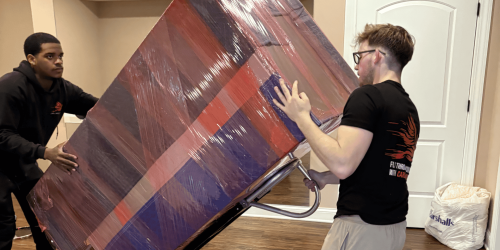
- Blankets and Towels: Great for larger items like framed artwork, mirrors, or furniture accents, providing soft layers to absorb bumps along the way.
Pro tip: Combining materials usually works best. Wrap items in paper or bubble wrap, then use foam or peanuts to fill any gaps.
Choosing the Right Boxes
Boxes aren’t one-size-fits-all, especially for fragile items:
- Small, sturdy boxes are best for heavy breakables like dishes and glassware.
- Medium boxes work well for collectibles, electronics, and smaller decor.
- Specialty dividers can keep wine glasses, stemware, or bottles from touching.
- Reinforce the bottom with extra tape (fragile boxes can be surprisingly heavy).
Packing Techniques That Actually Work
Even the best materials can’t protect your items if they’re packed incorrectly. These techniques make a huge difference:
- Wrap Each Item Individually: Don’t assume some items are sturdy enough to survive without protection.
- Layer the Bottom of the Box: Place cushioning material on the bottom before adding fragile items.
- Fill Empty Spaces: Use paper, foam, or packing peanuts to prevent items from moving inside the box.
- Consider Weight and Placement: Place heavier items at the bottom, lighter ones on top.
- Label Boxes Clearly: Mark boxes “Fragile” and indicate which side should face up. This helps movers handle them properly.
Ohio-specific tip: Older homes in Cleveland or Columbus often have narrow stairways or uneven floors. Protect both your items and your floors with blankets or cardboard runners.
How to Pack Common Fragile Items, Step-by-Step

Knowing the basics is all well and good, but how do you actually pack your fragile items? Here are the most common things that break in transit and a three-step solution to packing them the right way:
Plates
- Wrap each plate individually in packing paper.
- Stack vertically like records.
- Cushion between plates and fill all gaps.
Glasses & Stemware
- Wrap inside and out.
- Use dividers or cardboard if available.
- Place heavier glasses on the bottom, lighter on top.
Mirrors & Framed Art
- Tape an “X” on the glass with painter’s tape.
- Wrap the frame in paper or bubble wrap.
- Stand vertically in the truck, never flat.
Lamps
- Pack shades separately from bases.
- Wrap bases in bubble wrap.
- Secure cords and small parts.
Electronics / TVs
- Wrap the screen in a microfiber cloth or blanket.
- Add bubble wrap around the entire unit.
- Keep upright; never lay these flat.
Should You Pack Fragile Items Yourself… or Hire Professional Movers?
You can pack fragile items yourself if you have the time and patience. But professional movers like Cardinal Moving offer some pretty big advantages:
- Access to specialty packing materials and equipment you might not have at home.
- Experience securing fragile items in trucks to prevent shifting.
- Knowledge of local logistics and navigating Ohio’s older homes, stairs, and winter weather safely
Even a short consultation can help you figure out which items you should pack yourself and which are better handled by professional packing services.
Want some advice from us? Consider letting the pros handle items like:
- TVs
- Large mirrors
- Framed art
- Collectibles
- Antiques
- Items with sentimental value
Wrap-Up: Final Tips for Protecting Fragile Items
- Start Early: Don’t wait until moving day to pack delicate items.
- Use Layers: Never rely on a single material — layering increases protection.
- Plan for Weather: Winter moves in Ohio demand extra care to keep paper and blankets dry.
- Organize and Label: Clear labeling makes unpacking less stressful and reduces the chance of accidents.
Keep Calm and Pack on with Cardinal Moving
With the right materials, techniques, and planning, your fragile items can survive even the most challenging Ohio move. Whether you’re going the DIY route or hiring professional help, a little preparation goes a long way.
Ready to move fragile items safely in Ohio? Call on Cardinal. Our professional packing and moving team handles every delicate piece with care so you can focus on settling in, instead of worrying about your antique mirror or flat-screen TV. Request a free, no-obligation estimate today, and experience a moving company that cares.

Need more moving tips? Check out our blog for more insider advice, then download our moving checklist to get organized.